
6 Ways Acupuncture Assists Allergy Relief
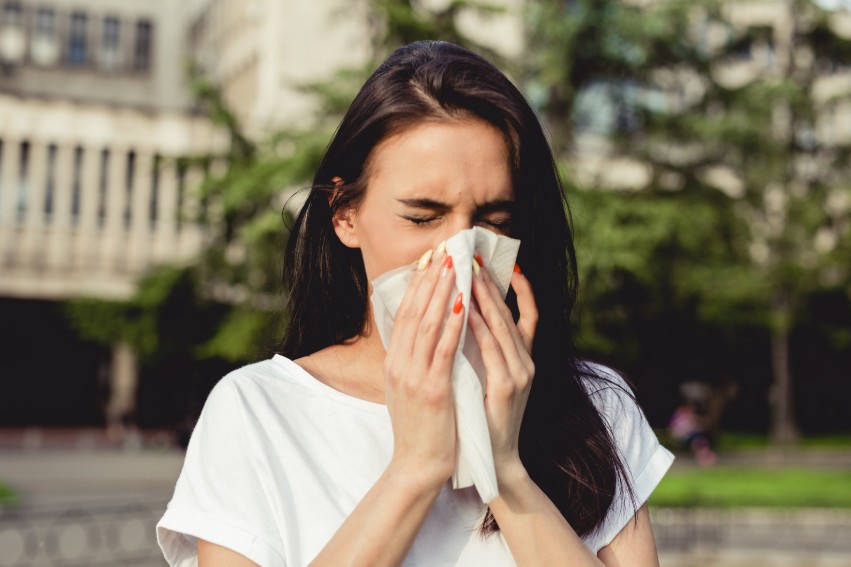
By the time the oaks are flowering and the grasses are tall along Highway 12, many of us in Sonoma County are reaching for tissues, eye drops, and another round of antihistamines. Spring is beautiful here. It is also hard on the body when pollen counts climb.
If you have already tried the usual approach and your sinuses still feel blocked, acupuncture for allergy treatment in Sonoma County is worth a closer look. It is a gentle, time-tested practice that works with the body’s own systems.
Below are 6 ways acupuncture may ease seasonal allergy symptoms, whether you live in Santa Rosa, Healdsburg, Petaluma, Sebastopol, or anywhere the pollen has found you.
Key Takeaways
- Spring and summer allergies in Sonoma County are driven by oak pollen, grass pollen, and lingering fine particulate from past wildfire seasons.
- Acupuncture may help ease sinus pressure, congestion, itchy eyes, allergy-related sleep disruption, and the fatigue that comes with allergy season.
- Care tends to work best when started 4 to 6 weeks before your worst pollen weeks, though it can still bring relief mid-season.
- Acupuncture is safe to use alongside antihistamines and most other allergy medications, with practitioner coordination.
- Working with a licensed acupuncturist familiar with local pollen patterns supports a more personalized and effective treatment plan.
Why Allergy Season in Sonoma County Hits So Hard
Our region carries a few extra layers. Oak pollen tends to peak in March and April. Grass pollen takes over in late spring and early summer. Add lingering fine particulate from past wildfire seasons, dry winds, and shifting weather patterns, and your immune system has a lot to adjust to.
For many people, this means:
- Daily congestion
- Sinus headaches
- Postnasal drip
- Scratchy throat
- Fatigue
- Disrupted sleep
Standard allergy medications can help, though they sometimes leave you feeling foggy, dry, or tired.
Acupuncture for allergy treatment in Sonoma County takes a different approach. It helps the body regulate its own response, calms over-reactive symptoms, and brings the nervous system into a softer place.
1. Eases Sinus Pressure and Facial Pain
Many allergy sufferers carry symptoms within the face:
- A heavy forehead
- Sore cheekbones
- Pressure behind the eyes
Acupuncture points around the sinuses (often on the face, hands, and forearms) may help reduce inflammation and encourage drainage. Many people notice some lightness in the head shortly after a session.
You may experience less throbbing in the cheeks and forehead, easier nasal breathing, and softer pressure around the eyes.
2. Calms an Overactive Immune Response
Allergies happen when the body misreads something safe (like pollen) as a threat. The immune system overreacts and releases histamine, which causes the cascade of sneezing, swelling, and itching.
Acupuncture may help regulate this response over time. Studies on seasonal allergic rhinitis have shown that regular acupuncture can reduce symptom intensity and lower the daily need for antihistamines.
Care that supports the underlying pattern of the immune response, alongside the surface symptoms.
3. Reduces Congestion and Opens the Breath
When the nose is blocked, and the chest feels tight, every breath takes effort. Acupuncture points along the lung and large intestine channels are often used to support clearer breathing.
Treatment may also include gentle warming techniques such as moxibustion, when appropriate for your body. Some patients benefit from cupping along the upper back to ease tightness in the breath.
Bring a list of your daily symptoms and triggers to your first session. Patterns are important to consider when developing a course of treatment.
4. Soothes Itchy Eyes, Runny Nose, and Throat Irritation
These are the most disruptive everyday symptoms. They interrupt conversations, sleep, work, and time outside in the garden or on the trails.
Acupuncture aims to settle the histamine response driving these reactions. Many patients report a quieter nose and less eye irritation within a few sessions, especially when care begins before peak pollen.
Acupuncture for these symptoms is often paired with Chinese herbal formulas, customized to your body’s pattern by a licensed herbalist.
5. Improves Sleep Disrupted by Allergies
Trying to sleep with a blocked nose and itchy throat is exhausting. Poor sleep then weakens the immune system, which makes the next day’s symptoms worse.
Acupuncture has a calming effect on the nervous system. By the time you leave a session:
- Your shoulders are often lower
- Your breathing slower
- Sleep that night is more restful
You may notice that you are falling asleep more easily, waking less, and feeling more rested in the morning.
6. Restores Energy Drained by Allergy Season
Allergy fatigue is real. The body uses a lot of resources fighting perceived invaders, and many people feel run-down for weeks at a time.
Acupuncture helps the body conserve and restore energy. Many patients describe feeling more grounded, more clear-headed, and more like themselves after a course of treatment.
Energy often returns gradually. Be patient with the process.
When to Begin Treatment
If you are considering acupuncture for allergy treatment in Sonoma County, plan to start care 4 to 6 weeks before your worst allergy weeks.
For oak pollen sufferers, that often means beginning in February. For grass pollen, late April works well.
Acupuncture can still bring meaningful relief mid-season too. Weekly visits during the most challenging stretch are common, with sessions spacing out once symptoms settle.
A Gentle Next Step Toward Allergy Relief
If you are tired of getting through spring with brain fog and a tissue box, acupuncture may be a good fit for your care plan.
Book a visit online or call Acupuncture Mama at (707) 303-7200. Your body deserves a quiet place to land this season.
Frequently Asked Questions

Licensed Acupuncturist, Herbalist, Founder of Acupuncture Mama
Annette Romios is a California-licensed acupuncturist and herbalist based in Santa Rosa. She is a Fellow of the American Board of Oriental Reproductive Medicine. She holds a Bachelor’s degree in Psychology (Summa Cum Laude) from the University of San Francisco and a Master’s from Emperors College of Traditional Chinese Medicine (2007). Annette’s interest in Chinese medicine began when she recovered from Bell’s palsy with acupuncture and herbs, which led her to integrate women’s health, fertility care, and holistic wellness in her practice. She founded Acupuncture Mama to provide compassionate, high-quality integrative care in Sonoma County.
