
Natural Treatment vs Medications for Allergies
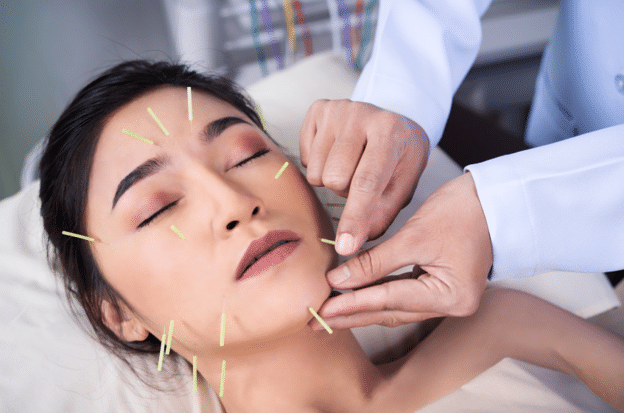 When the oaks bloom, and the grasses get tall in Sonoma County, a lot of us start reaching for tissues, antihistamines, and maybe a third cup of coffee just to think straight.
If you have been getting through allergy season the same way for years and you are tired of the trade-offs (foggy heads, dry mouths, jittery afternoons), you might be wondering if there is another way.
That is usually where acupuncture for allergy treatment in Sonoma County enters the conversation. Most people start looking into it when their meds stop feeling like enough.
Here is an honest look at how the two compare and what to keep in mind as you decide.
Key Takeaways
- Allergy medications work fast to mask symptoms but do not change why the body is reacting.
- Acupuncture works more slowly by helping the body settle its overreaction, often reducing the daily need for meds over time.
- For most people, the two can be safely combined during a transition.
- The right path depends on how bad your symptoms are, how your body handles medications, and what kind of season you want.
- This blog is for general learning. Talk with your doctor or a licensed acupuncturist for guidance specific to you.
What Allergy Medications Do
Most allergy medications do one thing well. They block your body’s reaction to pollen. They do not change why your body is reacting in the first place. That is just how they are built.
A quick tour through the main categories:
- Oral antihistamines (Zyrtec, Claritin, Allegra) block histamine, the chemical that makes you sneeze, itch, and tear up.
- Nasal sprays (Flonase, Nasacort) calm inflammation in your sinuses.
- Decongestants (Sudafed and friends) open blocked airways for a few hours at a time.
- Allergy shots (immunotherapy) slowly teach your body to stop reacting, over months or years.
These can really work, especially when you need fast relief. The trade-off is in how you feel taking them. Some people get drowsy. Dry. Foggy. Wired. Others find their usual dose stops working as well over time.
What Acupuncture Does for Allergies
Acupuncture works the other direction. Slower. Gentler. More about the root.
Using very thin needles at specific points (often around your sinuses, hands, arms, and lower legs), treatment helps your body settle the reaction itself. Sessions usually focus on:
- Calming the histamine response
- Softening sinus and airway inflammation
- Supporting clearer breathing
- Easing the stress that makes allergy symptoms worse
Research on seasonal allergies supports this approach. People who get regular acupuncture often need less daily medication and feel steadier as the season goes on. Many also notice better sleep, less brain fog, and more even energy.
Most people find the treatment itself surprisingly restful. A lot of folks fall asleep on the table.
The Short Version of How They Compare
- How fast they work. Meds: within an hour. Acupuncture: gradual, over weeks.
- What they target. Meds block your symptoms. Acupuncture settles the underlying reaction.
- Side effects. Meds can leave you drowsy, dry, or wired. Acupuncture has very few side effects, maybe a light bruise or a pleasant tiredness after.
- Long-term effect. Meds work as long as you take them. Over time, acupuncture can help your body need less support.
- Daily life. Meds: a daily pill or spray. Acupuncture: weekly visits during the season.
- Using both. Most people can safely combine them, especially while transitioning.
Why This Choice Matters
Allergy season can color your whole spring and summer.
If your symptoms are mild and your daily pill is doing its job, there is nothing to change. But if you are tired of the side effects, the medication shuffle, or the feeling that you keep patching the same hole every year, your body may be asking for something different.
This is the most common reason people in our area look into acupuncture for allergy treatment in Sonoma County. It meets the body with care and listens to what is actually going on.
How to Decide What Fits
A few honest scenarios:
Acupuncture might be a really good fit if:
- Your symptoms are interrupting daily life, sleep, or focus
- You are tired of side effects from your current medications
- You want to lean less on daily allergy meds over time
- You also deal with chronic congestion, fatigue, or stress that flares with allergies
- You are open to weekly visits during the season
Medications might still be the right call if:
- You need fast, short-term relief (a wedding, a trip, a busy week)
- You have severe allergic asthma that needs steady daily control
- You just started immunotherapy and want to see it through
- Your daily meds are working well with no real side effects
A lot of people sit somewhere in the middle, using acupuncture to gradually lean less on daily meds. There is real room for both.
A Local Note for Sonoma County
Where we live matters.
Sonoma County’s oak pollen peaks in March and April. Grass pollen builds through late spring. Add in lingering fine particulate from past wildfire seasons and these dry spring winds, and your immune system has a lot to track.
A licensed acupuncturist who knows this region can read your symptoms with that bigger picture in mind. Your care is shaped by the air around you, your patterns, and the season you are in.
Breathe Easier This Allergy Season
If allergy season has been wearing you down and you are ready to try a gentler way through, acupuncture may be exactly what your body has been asking for.
Book an appointment online or call Acupuncture Mama at (707) 303-7200 to schedule your acupuncture appointment today.
Frequently Asked Questions

Licensed Acupuncturist, Herbalist, Founder of Acupuncture Mama
Annette Romios is a California-licensed acupuncturist and herbalist based in Santa Rosa. She is a Fellow of the American Board of Oriental Reproductive Medicine. She holds a Bachelor’s degree in Psychology (Summa Cum Laude) from the University of San Francisco and a Master’s from Emperors College of Traditional Chinese Medicine (2007). Annette’s interest in Chinese medicine began when she recovered from Bell’s palsy with acupuncture and herbs, which led her to integrate women’s health, fertility care, and holistic wellness in her practice. She founded Acupuncture Mama to provide compassionate, high-quality integrative care in Sonoma County.
